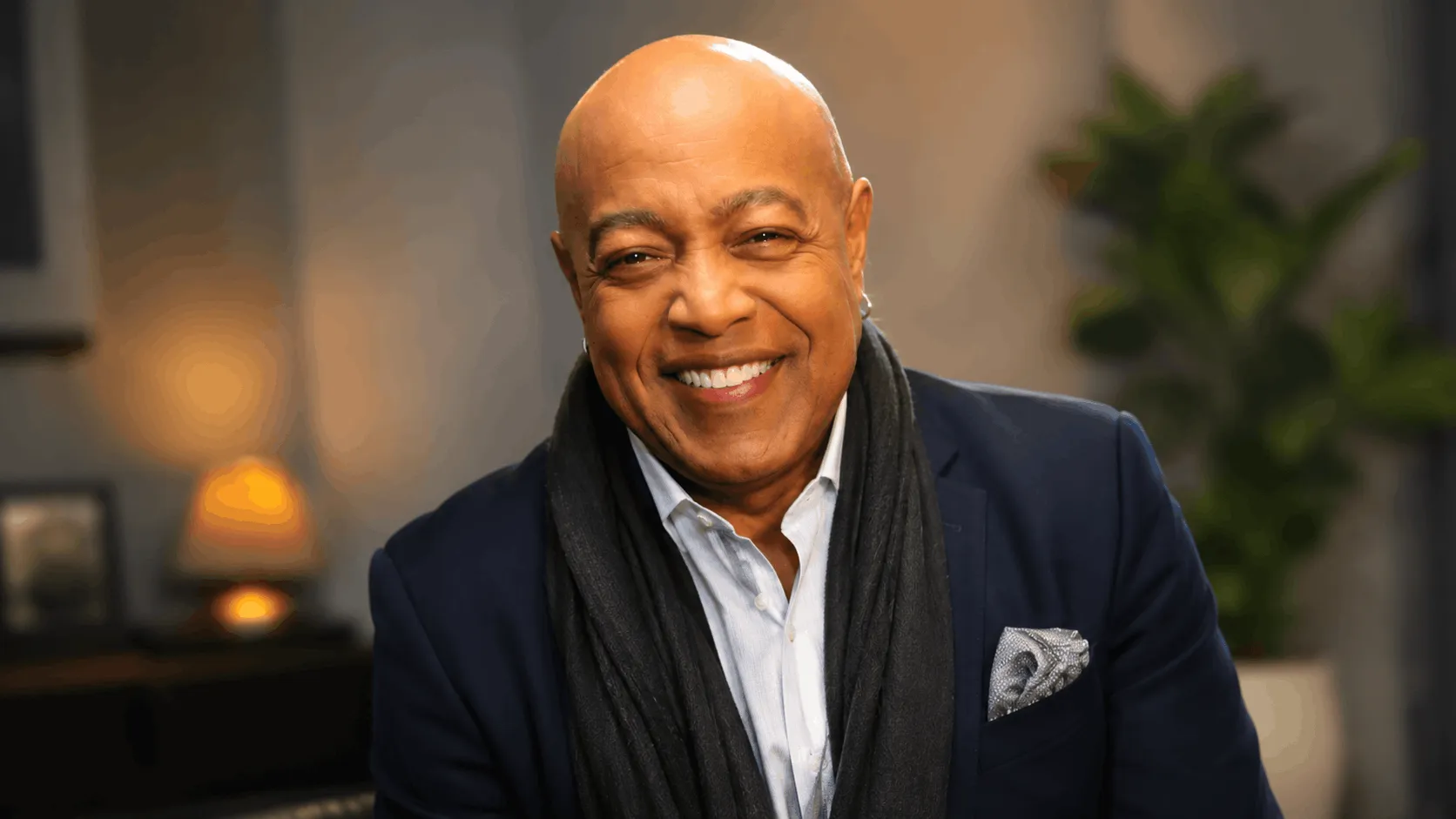
Peabo Bryson spent more than five decades as one of R&B’s most recognizable voices, and his passing on June 2, 2026, at age 75, sent people searching for the real numbers behind his career. Reports on his fortune vary widely, and some figures circulating online are simply not true. Here is what the actual financial record shows.
Peabo Bryson’s Net Worth at a Glance
At the time of his death, financial trackers placed Peabo Bryson’s net worth at roughly $2.5 million, according to Celebrity Net Worth, one of the more consistently cited sources on entertainer finances. Other outlets, including general biography sites, offered a wider range of $2.5 million to $10 million depending on how his assets, royalties, and past earnings were calculated.
That range is worth noting because it reflects a real pattern in how celebrity net worth gets reported. Different sites use different methods. Some rely only on public real estate and business filings. Others try to factor in decades of royalty income, which is harder to verify and often gets estimated rather than confirmed. For Bryson, the more conservative $2.5 million figure appears most often in outlets that track celebrity finances closely, while the higher $10 million estimate shows up on sites that lean toward broader career earnings projections.
Either way, both numbers are a far cry from some of the wilder claims that spread after his death, which we will get into below.
How Peabo Bryson Built His Wealth
Bryson’s income came almost entirely from music: recording contracts, touring, songwriting royalties, and later, licensing income from his most famous duets. Unlike some artists of his generation, he did not build a parallel fortune through acting, product lines, or business ventures outside the industry.
Early Career and First Record Deals
Born Robert Peapo Bryson on April 13, 1951, in Greenville, South Carolina, he started performing at 14 as a backup singer for a local group called Al Freeman and the Upsetters. He later toured the Chitlin’ Circuit with another regional act, Moses Dillard and the Tex-Town Display, before Bang Records signed him as a writer, producer, and arranger.
His 1976 debut album, simply titled Peabo, was a regional success that led to a deal with Capitol Records in 1977. From there, his albums Reaching for the Sky and Crosswinds, both released in 1978, went gold and established him as a steady presence on the R&B and adult contemporary charts. This early run built the foundation of his catalog, and catalog royalties would matter more and more as his career went on.
Duets That Defined His Career
Bryson became known as much for his duets as for his solo work. His 1983 pairing with Roberta Flack on “Tonight, I Celebrate My Love” became an international hit and remains one of his signature recordings. Songs like “If Ever You’re in My Arms Again” reinforced his reputation as a romantic balladeer, earning him the nickname “the Voice of Love.”
Duets carry a different royalty structure than solo tracks, since songwriting and performance credits are often split. That split can reduce the per-song payout compared to a solo hit of similar popularity, which is one reason a long, successful career does not always translate into an outsized net worth.
The Disney Soundtrack Boom
The early 1990s brought Bryson his biggest commercial exposure. His duet with Celine Dion on “Beauty and the Beast” and his duet with Regina Belle on “A Whole New World” from Aladdin introduced him to a global audience well beyond his existing R&B fan base. Both songs earned him Grammy Awards and gave his catalog long-term staying power through soundtrack sales, film re-releases, and continued radio play.
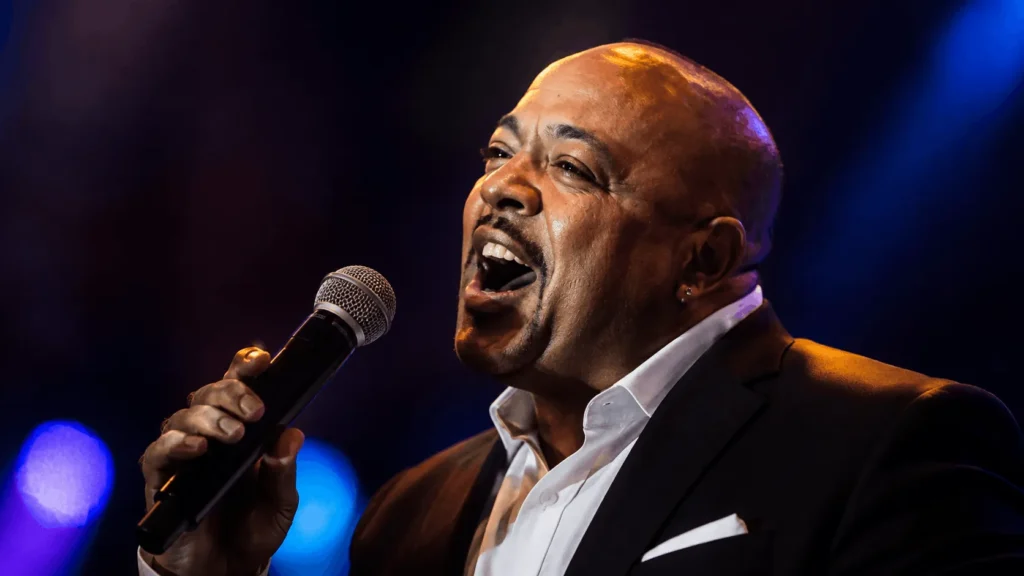
Soundtrack royalties tend to be durable income streams because they get refreshed every time a studio reissues a film, releases an anniversary edition, or licenses the song for a new project. That steady, if modest, trickle of income likely made up a meaningful share of his later-career earnings. That kind of long-tail royalty income has also contributed to Cher’s fortune, with her catalog continuing to earn through streaming, radio and licensing decades after release.
Why Peabo Bryson’s Net Worth Was Lower Than Some Expected
For an artist with two Grammy Awards and multiple gold records, a net worth in the low millions surprised some fans. A few factors explain the gap between career fame and personal fortune.
Music industry pay structures from the 1970s through the 1990s often favored labels over artists, especially before renegotiated contracts and modern streaming royalty models. Artists signed in that era frequently earned smaller percentages of album sales than today’s independent or self-published musicians. Touring income, while steady, also comes with high overhead for band members, travel, and production costs, which cuts into gross earnings significantly.
Reports have also referenced past financial hardship, including tax debts, that affected Bryson earlier in his career. Financial setbacks like these are common among musicians of his generation, particularly those who built their careers before contract terms shifted to favor artists more heavily. The financial risks of that earlier music era are also visible in MC Hammer’s story, where enormous career earnings were followed by bankruptcy and a long financial rebuild.
The Viral $145 Million Rumor, Debunked
Shortly after Bryson’s death, a story spread online claiming he had amassed a $145 million fortune through investments in restaurants, a vodka brand, and a football team, and that this made him the world’s highest paid singer over the past year with roughly $96 million in earnings. That claim is not accurate.
The story originated from a website known for publishing fabricated celebrity content, and the site later posted an update acknowledging the report was false. No legitimate financial outlet, entertainment publication, or estate record supports a nine-figure net worth for Bryson. If you see the $145 million figure repeated elsewhere, it traces back to that same unreliable source.
This kind of inflated claim is common in celebrity net worth searches generally. Satirical or clickbait sites sometimes publish absurd earnings figures specifically because they know grieving fans and curious readers will search for a celebrity’s finances right after major news breaks, like a death or health scare.
Income Sources Beyond Record Sales
Beyond album and single sales, Bryson’s income likely came from several other channels over the decades:
Songwriting and publishing royalties from tracks he wrote or co-wrote, which pay out separately from performance royalties and continue as long as the songs are played, licensed, or sampled.
Touring and live performance fees, which remained a core part of his income well into his later career, including performances billed as part of R&B revue shows alongside other veteran soul artists.
Soundtrack and film licensing income tied to “Beauty and the Beast” and “A Whole New World,” both of which continue to generate royalties whenever Disney reissues or licenses the films and their music.
Compilation album placements, since Bryson’s hits frequently appeared on greatest-hits collections and holiday or love-song compilations put out by other labels, each generating its own royalty stream.
The same broad mix of music income can also be seen in modern music artists such as El Alfa, although his career is rooted in a much newer urban music market.
Peabo Bryson’s Net Worth Compared to Other R&B Legends
Bryson’s estimated $2.5 million to $10 million net worth sits on the more modest end compared to some of his R&B contemporaries who built businesses outside music or negotiated more favorable long-term deals. Artists who owned their master recordings, ran independent labels, or diversified into acting and business ventures generally ended their careers with significantly larger fortunes.
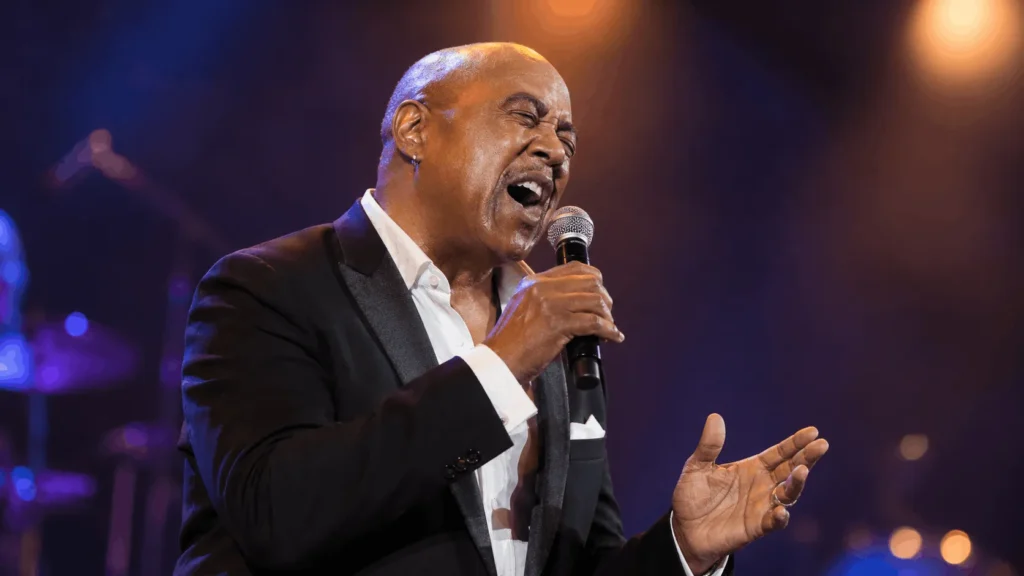
This comparison is not a reflection of Bryson’s talent or influence. His two Grammy wins and decades of chart presence speak to a genuinely significant career. It reflects, instead, how much an artist’s final net worth depends on contract terms, ownership of masters, and business decisions made early in a career, often decades before anyone is thinking about long-term wealth.